
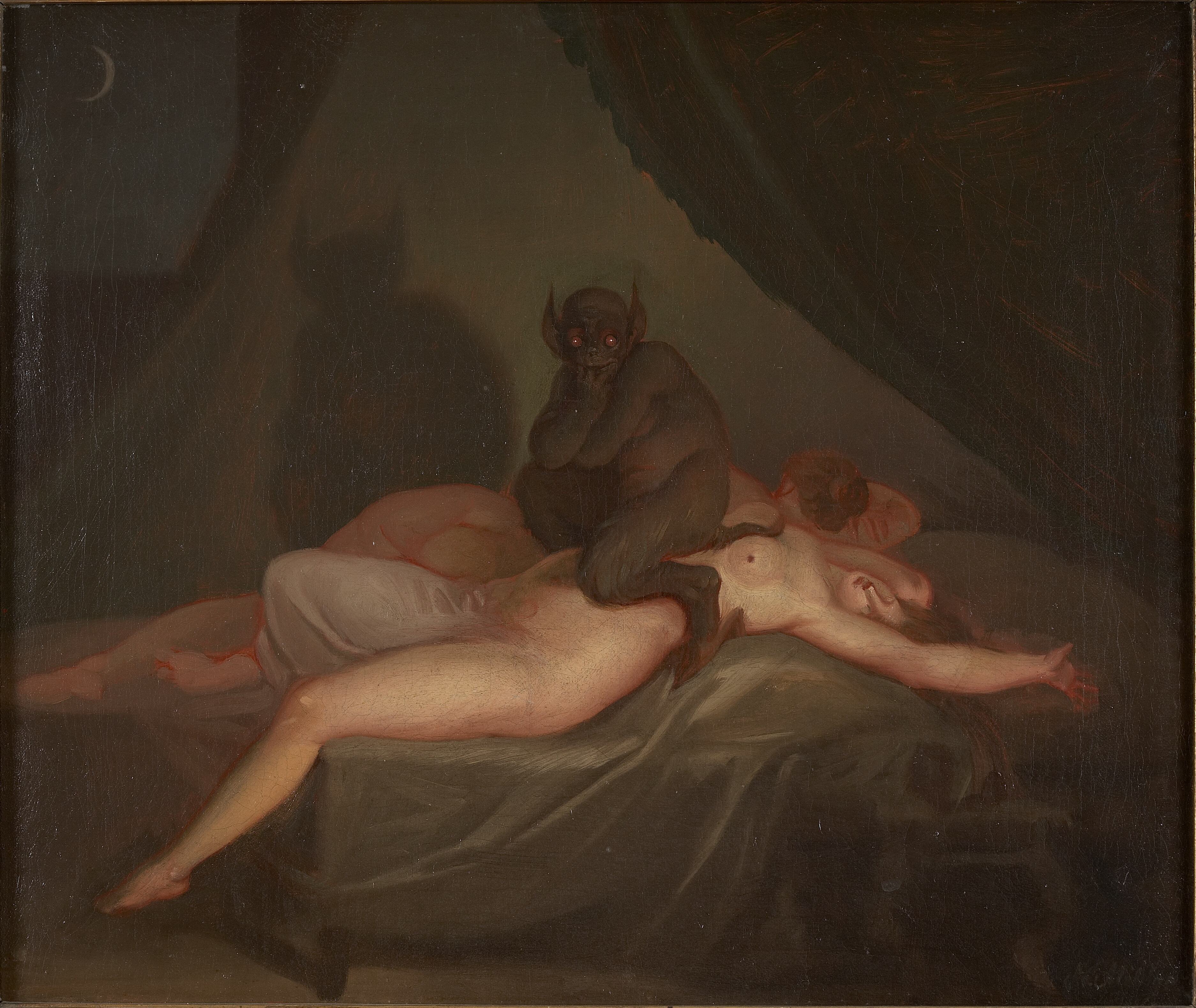
„The Elwedritsch is what happens when fear becomes story, story becomes ritual, and ritual becomes identity.“
Introduction
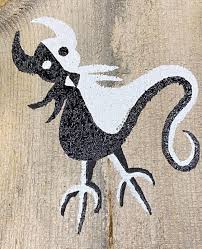
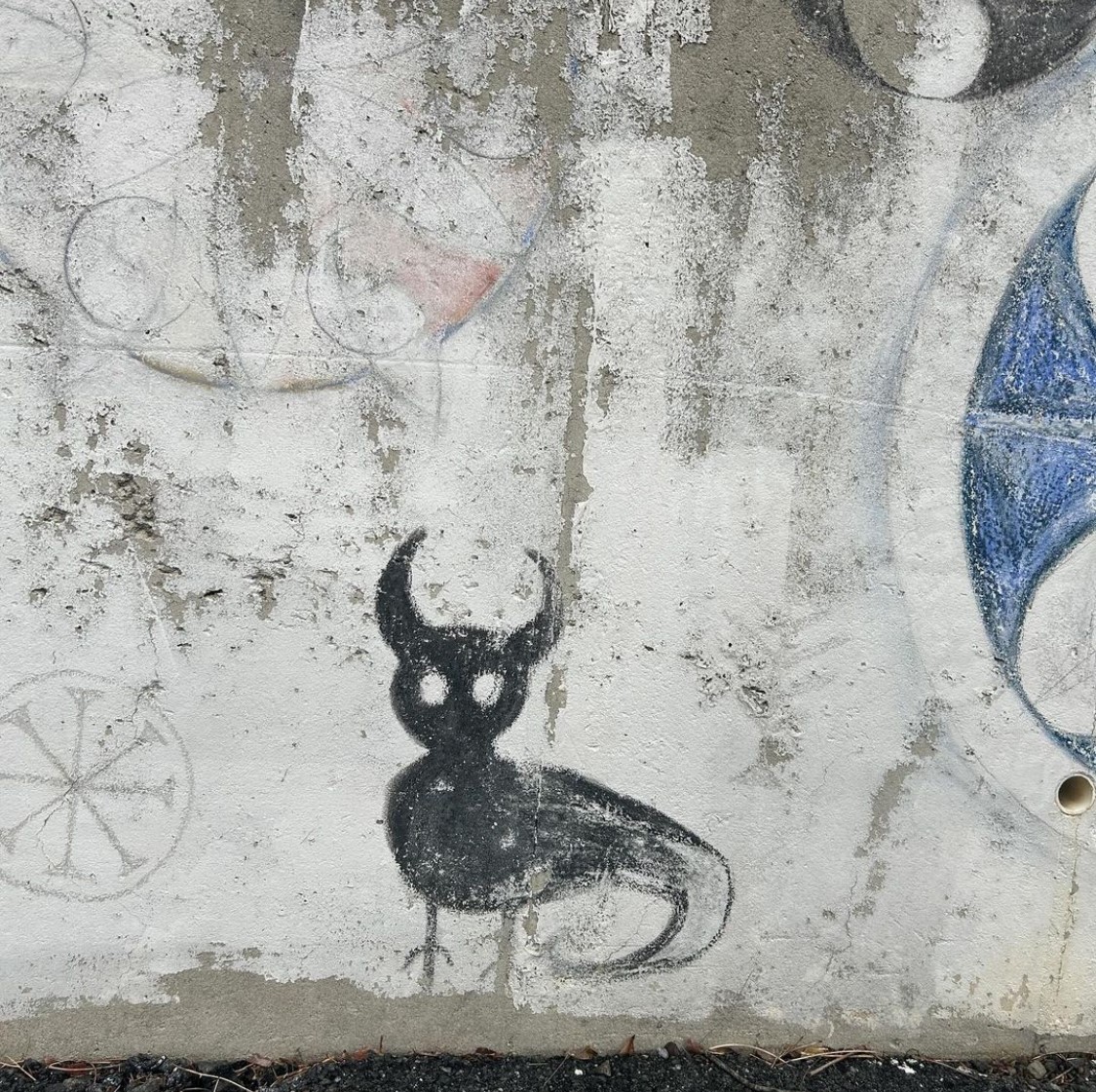
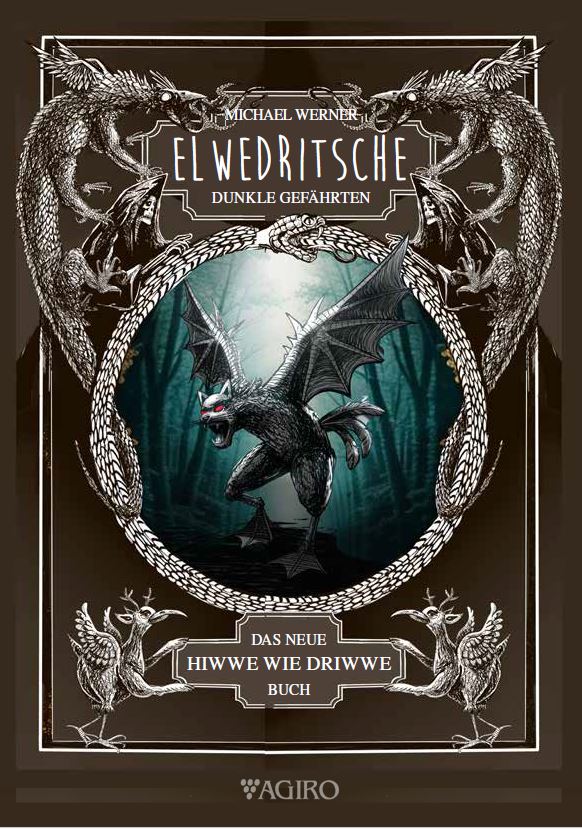
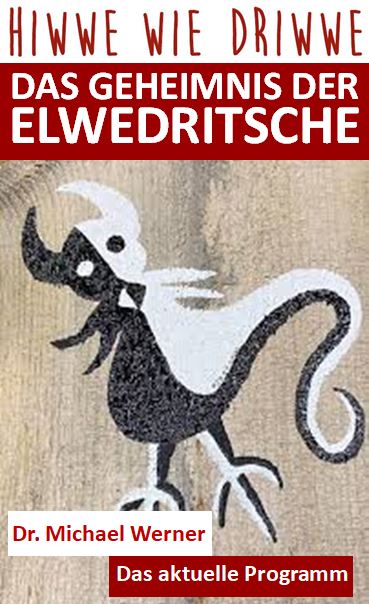
On a cold night in the Palatinate, if you ask the right person in the right tavern, they will tell you that the Elwedritsch is out there somewhere in the woods: a shy, bird‑like creature with duck feet, a long beak, maybe antlers, maybe six legs. They will smile as they say it. They will offer you a lantern and a sack. And if you are new in town, they might even send you on a hunt.
But behind the laughter lies a story far older and far stranger than the prank suggests. The Elwedritsch is the end point of a cultural journey that began thousands of years ago with a universal human experience: waking up in the dark, unable to move, convinced that something is pressing on your chest.
From this primal fear, a chain of psychological mechanisms and cultural transformations unfolded — mechanisms so fundamental to the human mind that they appear in every society on earth. The Elwedritsch is what happens when fear becomes story, story becomes ritual, and ritual becomes identity.
The Psychological Machinery Behind the Myth
Step 1: Hyperactive Agency Detection (HADD): When the mind invents a visitor
Humans are wired to assume that unexplained events have agents behind them. A rustle in the bushes? Probably a predator. A shadow in the corner? Someone watching. This reflex — HADD — kept our ancestors alive, but it also created ghosts, spirits, and demons.
Sleep paralysis is the perfect trigger. The body is frozen, the mind awake, the room dim, the breath shallow. The brain, desperate for an explanation, invents a presence. Across cultures, this presence became a nocturnal demon: the Mahr, the Alb, the Drude – or „Albdrude“.
The story oft he Elwedritsch begins here — not as a bird, but as a suffocating night terror.
Step 2: Compensatory Control Theory (CCT): The human hunger for order
Once a demon exists, people want protection. CCT explains why: when the world feels chaotic, humans create systems — symbols, rituals, rules — to restore a sense of control.
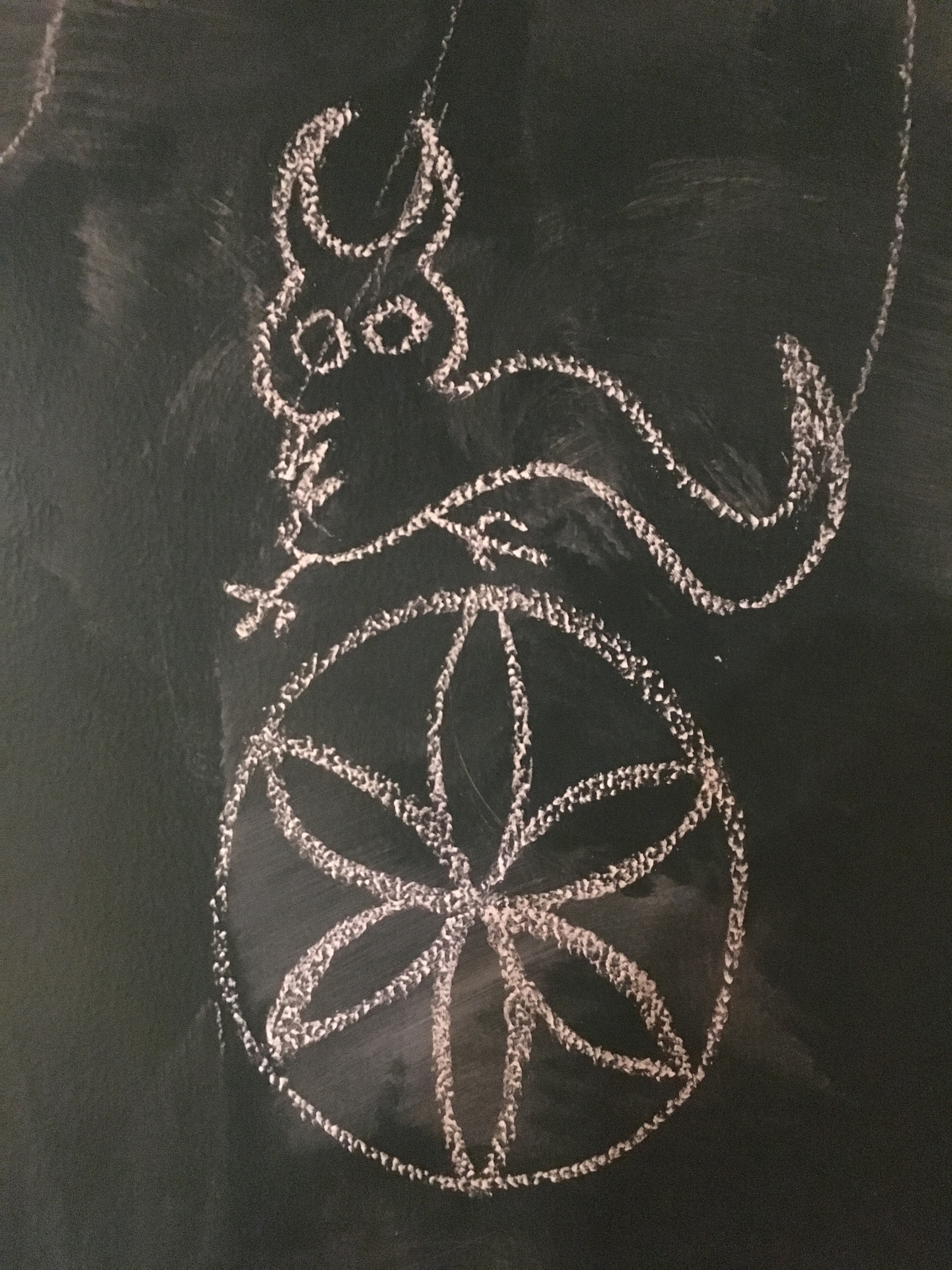
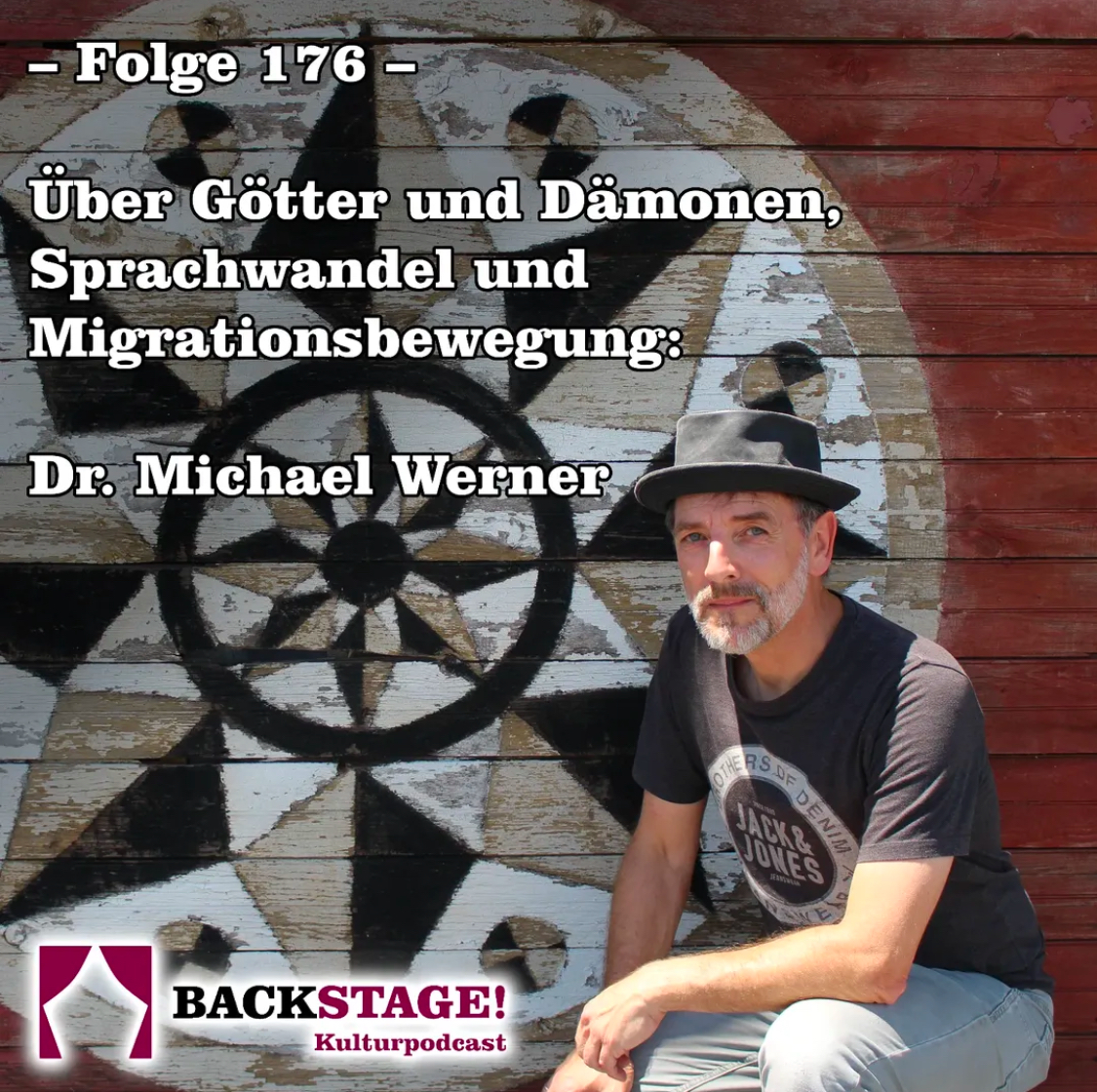
So communities carved pentagrams above doors, painted hexafoils on barns, whispered banishing verses. Defensive measures were carried out using symbols to prevent evil from entering. These weren’t superstitions. They were psychological survival strategies.
Step 3: Benign Violation Theory (BVT): How humor tames fear
Over centuries, the demon softened. Enlightenment ideas eroded belief in literal night spirits. Communities began to laugh at what once terrified them. BVT explains why humor is so powerful: it transforms a threat into something safe, even enjoyable.
The demon shrank — linguistically and imaginatively. Albdrude became Elbentrötsch, then Elbedritsch, then Elwedritsch. The demon [was] reduced to a chicken-like bird. Fear became folklore. Terror became a bird.
The framework: Dual Inheritance Theory (DIT): How culture evolves like a living organism
DIT argues that cultural ideas behave like biological traits: they mutate, spread, and survive if they fit human minds well. The Elwedritsch is a memetic success story. It is vivid, funny, ritualized, and emotionally charged — perfect conditions for cultural longevity.
The Elwedritsch survived migration to Pennsylvania and the Banat, survived modernization, survived the loss of belief in demons — because it adapted.
A Historical Journey from Demon to Bird
Long before the Palatinate existed, ancient Mesopotamians feared Lilith and Lamashtu, female night demons who threatened sleepers and infants. Indo‑European cultures inherited similar figures, which evolved into the Germanic Alben and medieval Druden. A new super demon evolved: The „Albdrude“. These beings were shapeshifters, slipping through cracks, sitting on chests, stealing breath.
With Christianization, the demon became associated with witches. With the Enlightenment, witches lost their power. And with the rise of rural humor, the demon lost its dignity.
By the 17th century, the transformation was complete. The once‑terrifying Albdrude had become a strange, bird‑like woodland creature. When Palatine emigrants left for Pennsylvania between 1683 and 1776, they carried both versions with them. In the Old World, the Elwedritsch was already a joke. In the New World, older fears lingered: “Gib Obacht, die Elbetritsche krien dich.“ (Watch out, the Elwedritsche will get you.“)
Back home in Europe, the creature became a symbol of local identity — and the centerpiece of a ritual that perfectly expresses the entire psychological journey.
There is of course no complete chain of evidence linking the demons of Mesopotamia and the Indo-European peoples to the Germanic Alben and Druden in the German-speaking world. But that is not the point. The origin of the Elwedritsche does not lie in a folkloric phenomenon that can be traced back over centuries and millennia. The origin lies in the biological phenomenon of sleep paralysis, which has existed since time immemorial. The psychological mechanisms underlying this perceived loss of control are the origin of what we today know as Elwedritsch.
The Elwedritsche Hunt: A Ritual of Reversed Power
The hunt is simple: send an unsuspecting newcomer into the woods at night with a sack and a lantern to catch a creature that does not exist. It is a prank, yes — but it is also a ritual reenactment of the ancient fear.
Once, the demon hunted humans in the night. Now, humans hunt the demon This is cultural therapy disguised as countryside mischief.
Why the Elwedritsch Endures
The Elwedritsch endures because it speaks to something deep in us — something older than folklore, older than the Palatinate, older even than language. It survives because it knows how to slip into the cracks between fear and laughter, between night and morning.
It endures because it gives shape to the formless. The terror of waking in the dark, unable to move, is too vague to grasp; the Elwedritsch gives it feathers, a beak, a name. It turns a suffocating presence into a creature you can point to, talk about, even chase.
It endures because it restores a sense of control. A demon pressing on your chest is terrifying; a bird hiding in the woods is manageable. Once you can hunt it, you have already won.
It endures because it makes fear social. A private nightmare becomes a shared joke. A solitary panic becomes a communal ritual. The Elwedritsch turns the darkness of the bedroom into the laughter of a group stumbling through the forest with lanterns.
And it endures because it is wonderfully, irresistibly strange. A creature that is almost a bird but not quite — duck feet, antlers, six legs — sticks in the mind. It is the kind of oddity that children remember, adults retell, and communities adopt as a badge of belonging.
In the end, the Elwedritsch survives because it is more than a creature. It is a cultural memory — the echo of nights when people lay awake, unable to move, certain that something was pressing on their chest. It is the story of how fear becomes folklore, and how folklore becomes identity.
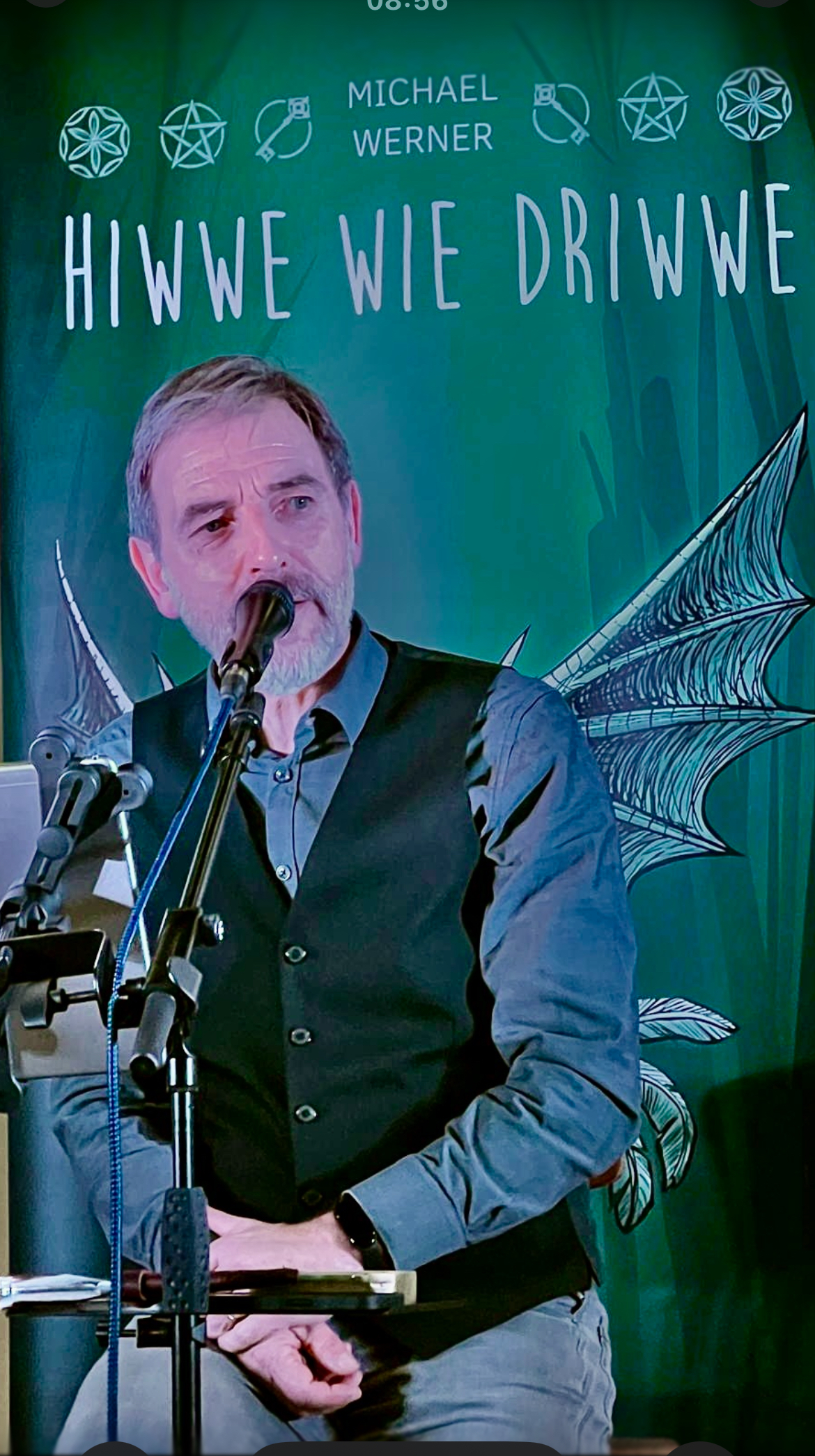
Michael Werner




































 Hiwwe wie Driwwe